










Retinol vs Retinal: Which Is Right for Your Skin?
Retinol or retinal? There’s only one letter between them, so if you’ve ever stood in the skincare aisle wondering what the difference is, you’re definitely not the only one.
They sound almost identical but work differently, and the right one for you depends on where you are on your skincare journey. Whether you’re just getting started or looking to expand your routine, at Sephora, we’ve pulled together everything you might need to know to find the right formula for you.
What is the difference between retinol and retinal?
Retinal and retinol are both retinoids, a type of vitamin A. Before your skin can use either, it has to convert them into retinoic acid. Retinal is already one step closer to this, meaning it tends to work faster than retinol.
Both do the same job: they smooth texture, soften the look of fine lines and wrinkles, and visibly fade dark spots. But because retinal is one step ahead, it’s used in much smaller amounts, so don’t be put off if a retinal serum shows a lower percentage than a retinol one.
Retinol vs Retinal
Retinol
Description: A form of vitamin A that converts twice before the skin can use it
Strength: Around 0.1% to 1%
Suitability: First-timers on low strength and regular users on higher strength
How it feels: Some dryness or flaking at first. Settles as your skin adjusts
Results: Smoother texture in a few weeks. Lines improved over a few months.
Retinal
Description: A form of vitamin A that converts once, one step from retinoic acid
Strength: Around 0.01% to 0.2%
Suitability: First-time users on the lowest strength and retinol users on higher
How it feels: Similar to retinol. Some dryness or flaking when first used.
Results: Same results as retinol. Usually show sooner.
Which should I use, retinol or retinal?
New to retinoids
If you’ve never used a retinoid before, look for the lowest strength or words like “beginner” or “starter” somewhere on the label, as these formulas release vitamin A gently. As a guide, that’s around 0.25% to 0.5% for retinol and 0.01% to 0.03% for retinal (there’s no race to start on the highest).
Sensitive Skin
Do you struggle with sensitive skin? If it can get easily irritated, then your approach to retinoids should be taken carefully. Do a patch test first on your inner arm before applying, and always choose beginner retinol or the lowest-strength retinal. Keep an eye out for redness that doesn’t settle, and if it does appear, then go back to fewer nights a week until your skin feels comfortable again.
Fine lines
Have you recently started to worry about fine lines, or is everyone around you beginning to talk about wrinkles? Both ingredients can help smooth skin over time. The key is to find a formula your skin is happy using consistently, rather than jumping straight to the highest strength immediately. Slow and steady wins the race.
Pigmentation
Both retinol and retinal can help improve the appearance of dark spots or uneven tone by encouraging skin cell turnover and bringing out a brighter-looking complexion. Read more in our guide to the best ingredients for hyperpigmentation.
Dry Skin
Dry skin can use either retinal or retinol, but look for an oil or cream formula, rather than a lightweight gel. Retinoids can feel quite drying early on, and if there are naturally more drying environmental factors too, your skin will be glad for the extra comfort.Already using retinol and want more?
You’re ready to move up once you’ve used your retinol every night for a couple of months with no dryness or flaking, and it’s not doing as much as it used to. From there, you can either switch to retinal or advance to a stronger retinol. It depends on whether you like to keep the same routine or are interested in switching it up.
Can you use retinol and retinal together?
No, not in the same routine. Both convert into retinoic acid, so layering them doubles the chances of irritation rather than faster or better results.
If you’re moving from retinol to retinal, finish your retinol first and gradually introduce retinal two nights a week in your evening routine. Even if your skin was happy with nightly retinol, it’s the best way to keep it that way!
How to begin your retinol or retinal routine without irritation
Introduce retinoids with a low strength and build up incrementally. Start with two evenings a week for a fortnight, moving to every other night for the next two weeks and nightly after that (if your skin feels comfortable). Increasing the frequency slowly can allow time to adjust and hopefully prevent redness.
Your nighttime routine should look something like this: After cleansing to remove the buildup throughout the day, let your face fully dry and apply a pea-sized amount of product to cover the face and neck. Follow this with a thick and nourishing moisturiser before you head to bed. This will help support your skin barrier and keep it hydrated.
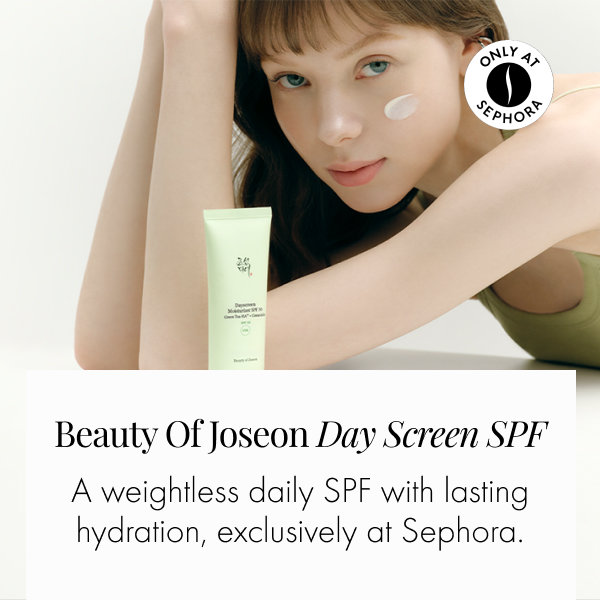
Don’t forget to always wear SPF as soon as you start introducing retinol or retinal. Your skin can become more susceptible to the sun’s UV rays, so you must protect it. If you’re looking for your next SPF BFF read our protection edit.
Which retinol or retinal products should you try?
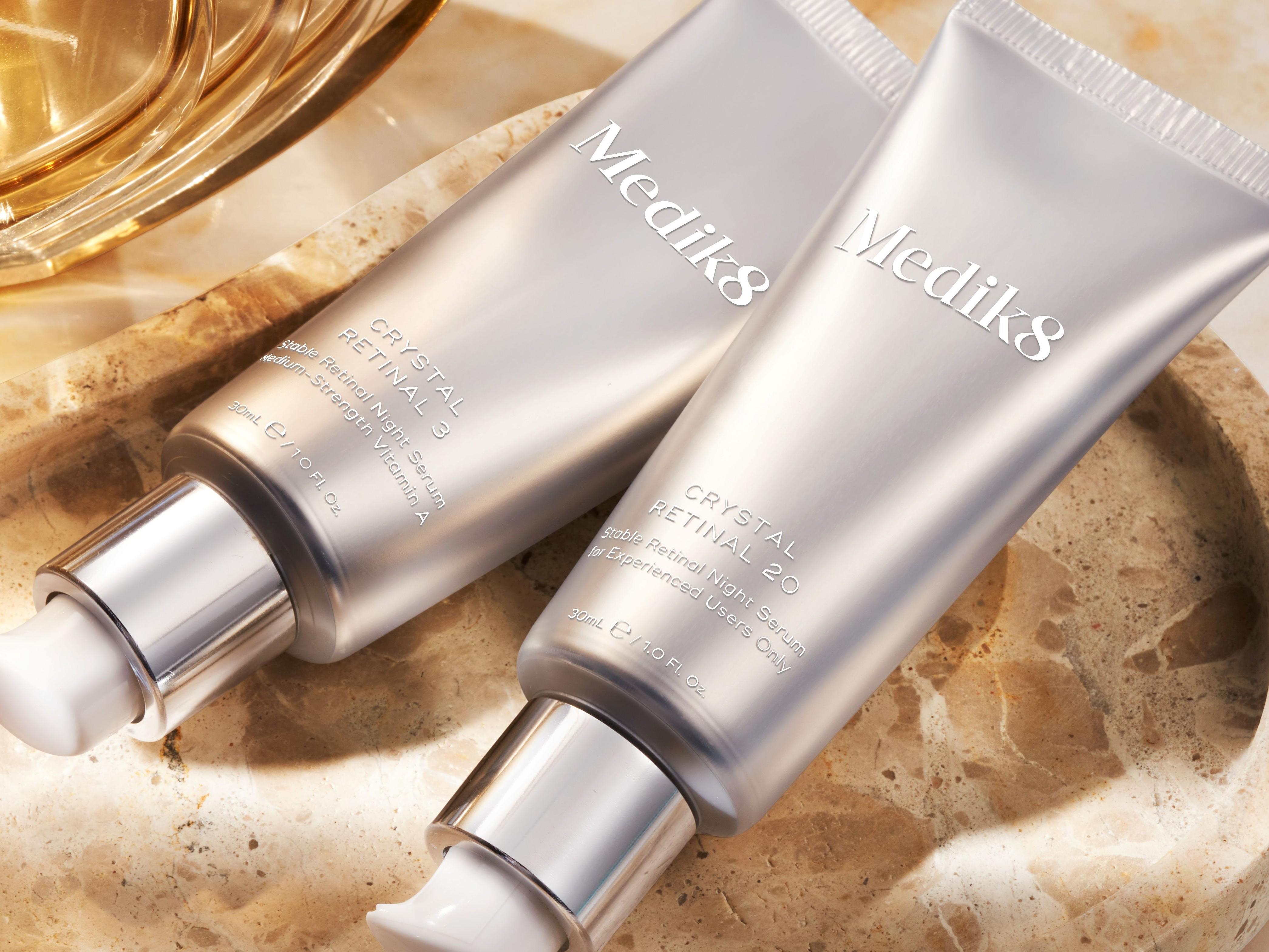
For retinal, most newcomers start with Medik8 Crystal Retinal 3 30ml. With 0.03% retinal, this vitamin A night serum promises visibly firmer, brighter-looking skin with minimal irritation. Once you’re comfortable, Medik8 Crystal Retinal 6 30ml is the next step up.
Prefer retinol? Beginners often choose The INKEY List Starter Retinol Serum 30ml, designed for first-time users and sensitive skin. The Ordinary Retinol 1% in Squalane - Anti-Aging Serum 30 ml is a vegan, water-free solution with 1% retinol, so save it for when your skin is well and truly used to retinol. It’s filled with hydrating ingredients that smooth fine lines and texture and feels nourishing (discover more from the brand in our The Ordinary skincare edit).
Stuck on which product to choose? For a full rundown, read our 11 Best Retinol Serums and Creams guide.
By Sephora UK Skincare Editorial Team
Writers and experts
Updated: 3 November 2026
You may also like...


FAQs
- Is retinal stronger than retinol?
- How long does retinol take to work?
- Can you use retinoids if you are pregnant?
- What should you not mix with retinoids?
- Should you use retinol or retinal every night?
Help & Information
About
More From Sephora
Country Settings
 United Kingdom
- 4.2★★★★★
Download the Sephora App
 United Kingdom