








Motherhood Starts with Self-Care: Expert Advice from JOONBYRD
From growing life to glowing. Discover pregnancy and postpartum skincare advice from Joonbyrd’s founder and leading dermatologist Dr Alexis Granite. With nearly 20 years of clinical experience in the UK and US, Dr Alexis will give you all the bump bodycare tips including: pregnancy and breast-feeding friendly ingredients, skin recovery, plus stretch mark support - oh mama!When advising pregnant and postpartum women, which body care concerns are most often overlooked, and what ingredients or treatments do you believe deserve more attention?
Pregnancy and the postpartum period bring significant changes to the skin, but body skin is often an afterthought. We hear a lot about facial pigmentation or acne during pregnancy, while concerns such as itching, dryness, stretch marks, changes in elasticity and postpartum laxity receive much less attention. My approach is to keep body care relatively simple during pregnancy: support the skin barrier, moisturize consistently, protect exposed skin from UV and avoid ingredients that aren't recommended in pregnancy, such as retinoids. Postpartum, we can gradually introduce more targeted actives and procedures depending on whether someone is breastfeeding and what specific concerns they want to address.
Q&A
Body Care During Pregnancy
Stretch Marks
1. What ingredients are actually proven to help prevent or minimise stretch marks during pregnancy?
Genetics, hormonal influences and the degree and speed of skin stretching all play important roles, so even the most diligent skincare routine can't guarantee that stretch marks won't develop.
Some studies have looked at ingredients such as Centella asiatica, peptides and hyaluronic acid with early encouraging results, but overall the evidence remains limited. Regular moisturizing is worthwhile because it supports the skin barrier and can improve dryness, itching and comfort as the skin.
2. Are there any body creams, oils, or treatments you recommend for stretch-mark prevention?
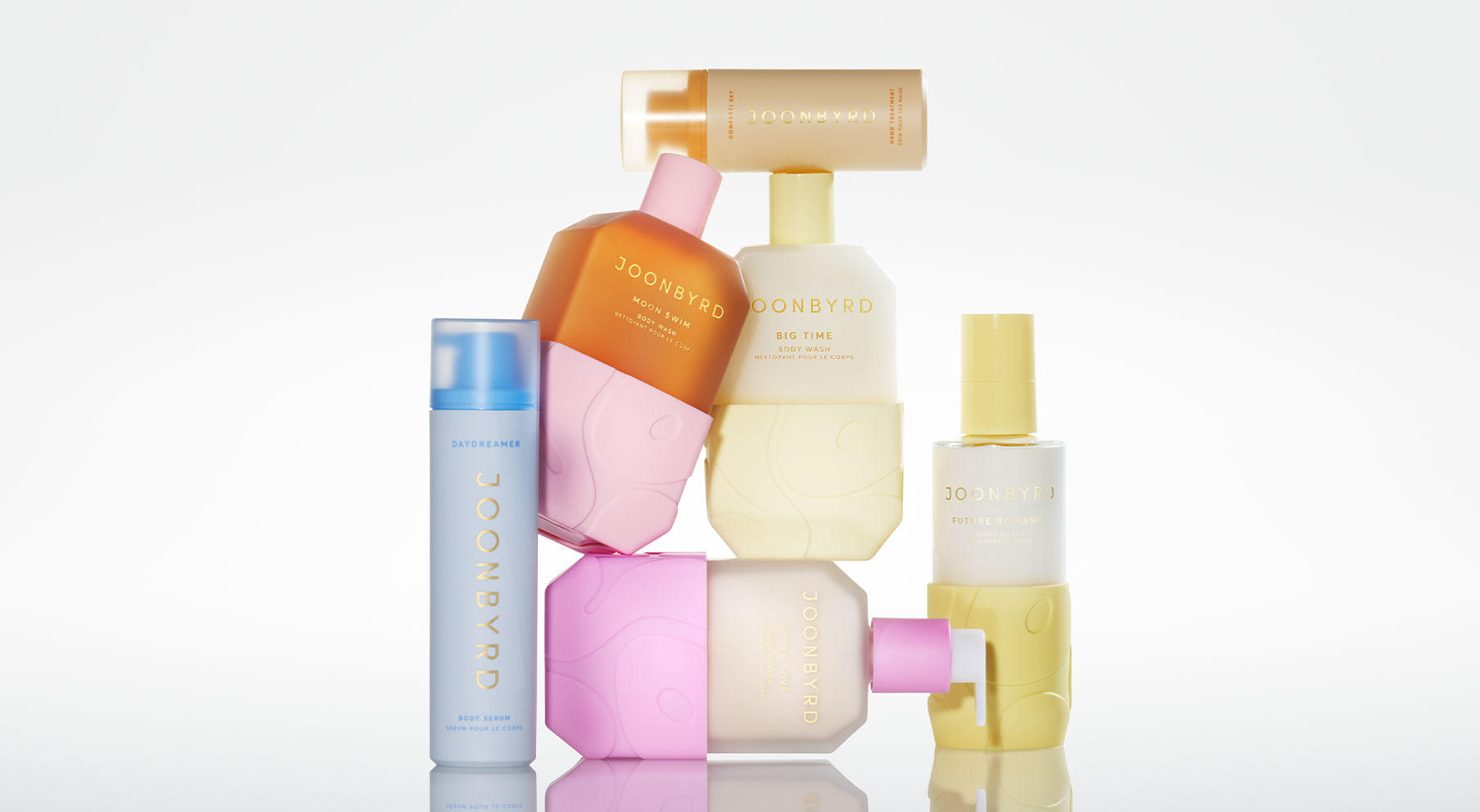
I recommend a rich, nourishing moisturizer that someone enjoys using consistently. Look for ingredients such as ceramides, glycerin, squalane, peptides, shea butter and hyaluronic acid, which help support the skin barrier and maintain hydration. I especially recommend our Joonbyrd Daydreamer Firming Serum which is formulated with a powerful peptide complex, green coffee oil, paracress and Songyi mushrooms and is clinically proven to reduce the appearance of stretch marks.
3. When should I start using stretch-mark products and how often should I apply them?
I would start moisturizing early in pregnancy - apply at least once daily and ideally after bathing or showering, when the skin is still slightly damp. As the abdomen expands, twice-daily application can be helpful if skin feels particularly dry or uncomfortable.
Dryness, Itching & Sensitivity
4. What are the safest ingredients for pregnancy-related skin dryness and itching?
Simple barrier-supporting ingredients are my first choice including ceramides, glycerin, hyaluronic acid, squalane, and plant butters such as shea and cocoa butters. These help replenish moisture and support the skin. I also recommend shorter, lukewarm rather than very hot showers and a gentle cleanser daily Persistent or severe itching can occur during pregnant and if not responsive to emollients should be discussed with your obstetrician or dermatologist.
5. Are fragrance-free body products preferable during pregnancy?
Not necessarily. Pregnancy doesn't suddenly make fragrance inherently unsafe, but hormonal changes can make the skin more reactive and the sense of smell much more sensitive. If someone develops eczema, irritation or increased sensitivity, I generally recommend switching to a fragrance-free moisturizer and gentle cleanser.
6. Can I safely use body exfoliants if my skin becomes sensitive?
Yes, but I would scale back considerably. When the skin barrier is already irritated, aggressive physical scrubs or frequent acid exfoliation may make things worse.
Gentle chemical exfoliation can be appropriate, for example with glycolic acid once or twice w ek. I would avoid layering multiple exfoliating products over sensitive skin.
7. Are there ingredients that can help prevent or reduce pregnancy-related body pigmentation?
Sun protection is the most important intervention because UV exposure will exacerbate pigmentation. I recommend broad-spectrum SPF 30 or higher on exposed body skin.
For topical ingredients, azelaic acid, vitamin C and glycolic acid are effective for pigmentation and are considered safe in pregnancy. Avoid use of hydroquinone and retinoids during pregnancy.
Cellulite & Skin Elasticity
8. Are any body-firming ingredients considered safe during pregnancy?
Ingredients such as peptides, hyaluronic acid, niacinamide, vitamin C and moisturizing lipids can generally be incorporated into a pregnancy body-care routine to target firming. It’s advised to avoid retinoid-based firming products.
9. Is there anything clinically proven to support skin elasticity during pregnancy?
It’s difficult to establish specific skin benefits during pregnancy because pregnant women are understandably rarely included in clinical studies. As a result, there isn’t strong evidence that any specific topical treatment can specifically preserve skin elasticity or prevent pregnancy-related laxity. Keeping the skin well hydrated can help it feel more supple and improve its overall appearance, but factors such as genetics, age, hormonal changes and the degree of skin stretching are likely to play a much greater role.
Postpartum Body Care
Recovery & Skin Tightening
10. What ingredients or treatments can help improve skin laxity after pregnancy?
Postpartum, I think about this in stages. Initially, the skin needs time - there can be substantial natural remodeling over the months following pregnancy.
Topically, ingredients that support collagen production and skin quality, including retinoids, peptides, vitamin C and exfoliating acids, can be useful where appropriate. For more significant laxity, in-clinic treatments that stimulate collagen - including radiofrequency, microneedling, fractional lasers and certain ultrasound or energy-based devices - can produce more meaningful changes than topical skincare alone.
11. When is it safe to restart stronger body treatments after giving birth?
This depends on the specific treatment, how your body is healing and whether you are breastfeeding. I don’t recommend rushing into more aggressive treatments immediately after delivery, as the body is still undergoing significant hormonal and physical changes, and skin is often more sensitive during this time. Stronger topical treatments should never be applied to the nipple or areola while breastfeeding, and your baby should not come into direct contact with treated skin. I recommend speaking with your dermatologist or obstetrician before introducing stronger actives or beginning a more intensive treatment plan.
12. Which treatments have the best evidence for improving postpartum skin texture and firmness?
For texture and collagen remodeling, fractional laser, microneedling and radiofrequency and ultrasound-based treatments can all be useful depending on the specific skin concern. Combination treatments often produce the best results, especially when performed as part of an overall plan with targeted body care.
Stretch Marks After Birth
13. What are the most effective treatments for postpartum stretch marks?
Treating stretch marks easly is important. Newer stretch marks that are still pink, red or purple generally respond better than older white stretch marks. Depending on their stage and skin type, treatments can include topical tretinoin and peptides, vascular lasers for redness, fractional lasers, microneedling and radiofrequency microneedling. No treatment completely removes stretch marks, but can often make them considerably less noticeable.
14. When can treatments such as retinoids, microneedling, lasers, or chemical peels be considered?
Once the skin and body have adequately recovered after delivery, these can be considered on an individual basis. The appropriate timing depends on the procedure, the area being treated, whether there were complications during delivery and whether the patient is breastfeeding. I generally favor a gradual approach rather than trying to treat everything immediately postpartum. For breastfeeding patients, I would review topical medications and procedural plans individually.
C-Section Scar Care (if applicable)
15. Is there anything I should avoid during scar healing?
The priority initially is allowing the surgical wound to heal properly. Once the wound has fully closed, silicone gel or silicone sheets are among the best-supported topical interventions for helping to optimize scar appearance. Sun protection is also important once the area is exposed, as UV can make scar pigmentation more persistent. If a scar becomes increasingly painful, red, swollen, warm or begins to discharge, it’s important to seek medical advice.
Breast & Chest Area
16. What ingredients are safe to use on the breasts while breastfeeding?
I recommend reaching for gentle, nourishing moisturizers with ingredients such as glycerin, ceramides, hyaluronic acid, squalane and naturally derived plant oils and butters. I would limit their use to areas of the breast that won’t come into direct contact with the baby’s mouth. For chapped, dry or irritated nipples, purified lanolin can also be very helpful, particularly during breastfeeding.
17. Do I need to avoid certain lotions, actives, or fragrances on skin that may come into contact with the baby?
Yes, avoid apply strong actives, retinoids, exfoliating acids or heavily fragranced products to the nipple, areola or anywhere the baby's mouth or skin will have significant direct contact.
18. How can I manage skin irritation, dryness, or pigmentation changes around the chest area?
Start with gentle cleansing and support with moisturization. For pigmentation on the upper chest, sun protection is essential, and ingredients such as azelaic acid, vitamin C and niacinamide can help. If there is persistent redness, scaling, itching or soreness around the nipple or breast during breastfeeding, I would have your skin assessed, as dermatitis and other conditions can occur in this area.
19. If you could recommend just 3-5 body care products for pregnancy and postpartum, what would they be and why?
-
Joonbyrd Daydreamer Firming Body Serum
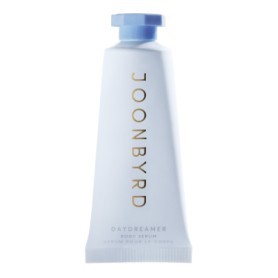
A great choice for supporting skin through periods of change. Daydreamer combines hydrating and skin-supporting ingredients with peptides, green coffee oil and Songyi mushroom to help improve skin firmness, elasticity and overall quality, especially post-partum.
-
Joonbyrd Moon Swim Hydrating Body Wash
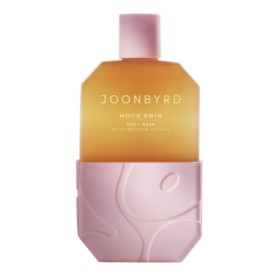
Pregnancy can leave the skin feeling drier, more sensitive and more prone to itching, so I recommend starting with a gentle, non-stripping cleanser. Moon Swim cleanses while helping maintain hydration and support the skin barrier, making it an easy everyday body-care staple during pregnancy and postpartum.
-
Joonbyrd Future Romance Body Glaze
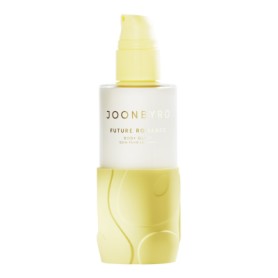
Supporting skin health through pregnancy and postpartum can benefit from extra nourishment and care. Future Romance combines grape flower exosomes and plant biopeptides to support skin renewal, hydration and resilience, while leaving skin with a radiant, glossy finish. It’s a beautiful daily ritual for keeping skin feeling soft, supple and well cared for through periods of hormonal change.
By Sephora UK Editorial Team
Writers and experts
Updated: 15 September 2026
Help & Information
About
More From Sephora
Country Settings
 United Kingdom
- 4.2★★★★★
Download the Sephora App
 United Kingdom